Why the Best Light in the Pacific Northwest Happens at 6 A.M.

For photographers across Oregon and Washington, the most reliable window for dramatic landscape light is not golden hour in the evening, but the hour just after dawn. Regional photography blogs and local shooting groups have increasingly pointed to 6 a.m. as a kind of unofficial starting line for the day's best conditions, especially along the coast, in the Cascades, and around the region's many lakes and river valleys.
Recent Trends
In recent months, regional photography blogs have shifted their focus from sunset spots to sunrise-forward location guides. The pattern is visible in social media posts, local workshop itineraries, and community photo critique threads, where early-morning captures consistently dominate. Several trends stand out:

- A rise in pre-dawn car meetups at popular overlooks, with photographers coordinating arrival times before first light.
- More blog posts comparing the same location at sunrise versus sunset, with morning conditions generally winning for consistency.
- Greater interest in coastal fog and marine layer behavior, which is most predictable in the hours after dawn.
- Growing use of weather apps and live webcams by photographers planning 4:30 a.m. departures.
This is not simply a matter of preference. The region's geography gives early morning a measurable advantage.
Background
The Pacific Northwest sits between the Pacific Ocean and a series of mountain ranges. This creates a weather system where the overnight cooling produces stable air, low clouds, and morning fog, especially in late spring through early autumn. By mid-morning, heating breaks the inversion layer, and wind often picks up, scattering clouds and adding haze. For photographers, this matters in several ways:
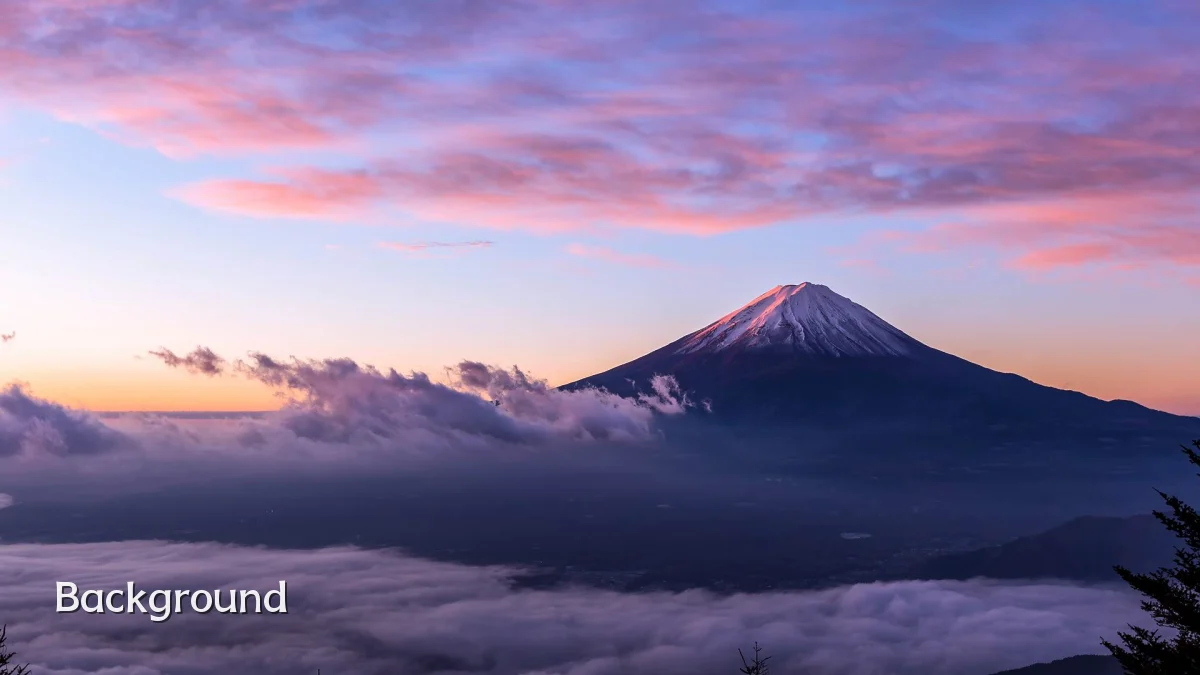
- Soft, directional light: At 6 a.m., the sun is low on the horizon, producing long shadows and warm tones without the harsh contrast of midday.
- Moisture in the air: Morning fog and dew add texture and depth to forest scenes, waterfalls, and coastal rock formations.
- Calm water: Wind speeds are typically lower at dawn, making lakes, tidal pools, and rivers more reflective.
- Clearing storms: Frontal systems often clear overnight, leaving dramatic receding cloud banks paired with a rising sun.
In the evening, by contrast, the same locations frequently suffer from onshore breezes, higher humidity haze, or cloud cover that has already thickened through the day. The result is that the 6 a.m. window produces more repeatable photographic conditions than sunset, which is often more hit or miss.
User Concerns
Despite the appeal of morning light, photographers voice consistent concerns when planning early shoots. Regional blog comment sections and forum threads frequently raise the same issues:
- Access: Some trailheads and park gates do not open until sunrise, making it impossible to reach certain viewpoints by the ideal time. Photographers often advise scouting locations the afternoon before.
- Safety in the dark: Hiking before daylight requires headlamps, proper footwear, and familiarity with the route. Muddy trails and slippery tide rocks are common risks along the coast.
- Sleep and scheduling: A 6 a.m. shoot requires a start time near 4 a.m. for many photographers, which is difficult to sustain as a daily routine.
- Weather uncertainty: While mornings are more stable on average, the cloud ceiling can still sit too low to catch any usable light, especially in winter months.
These concerns have led bloggers to emphasize preparation over spontaneity, with an increasing focus on scouting, tide charts, and sunrise time calculators in their posts.
Likely Impact
The shift toward early-morning photography is likely to shape both the content and the business side of regional photography blogs. Editors and contributors appear to be responding to audience demand, and that response carries consequences:
- More guides will prioritize locations that are accessible before sunrise, such as roadside viewpoints, pullouts, and city overlooks.
- Photography workshops may adjust schedules to include pre-dawn departures, appealing to participants who want guaranteed conditions.
- Secondhand camera gear discussions increasingly mention low-light performance and weather sealing as key purchase criteria for dawn shooting.
- Local tourism boards may begin highlighting morning experiences, shifting traffic away from crowded sunset viewpoints.
For the audience, the main takeaway is practical: the most dependable light in the region comes at a cost of inconvenience, and the blogs that succeed will be the ones that treat that trade-off honestly.
What to Watch Next
Observers of the regional photography scene should watch how these patterns evolve through the next several seasons. A few specific things to track:
- Autumn fog patterns: As the marine layer becomes more persistent in early fall, early morning conditions may hold even longer, which could push successful shooting windows later.
- Winter solstice timing: With sunrise near 8 a.m. in December, the same 6 a.m. start becomes a different kind of shoot entirely, and bloggers may shift their advice accordingly.
- Community accountability: Whether local photo clubs begin formalizing pre-dawn meetups, or whether interest fades as casual participants struggle with early starts.
- Web traffic patterns: If sunrise guides continue to outperform sunset guides, more regional blogs will likely invest in morning-specific features, including interactive maps and weather-model breakdowns.
The 6 a.m. window is not a new phenomenon, but the conversation around it is becoming more structured. In a region where weather frequently dictates what is possible, the early hours offer the most consistent conditions available to photographers. Whether that consistency turns into a lasting editorial focus will depend on how well creators balance the rewards of morning light against the real costs of getting there.